
Peanut butter is a popular food among fitness enthusiasts, athletes, and people looking for convenient sources of nutrition. But is peanut butter a good source of protein? Yes, peanut butter contains a useful amount of protein, along with healthy fats, calories, and other nutrients. However, it is better considered a protein-rich food rather than a high-protein food.
How Much Protein Is in Peanut Butter?
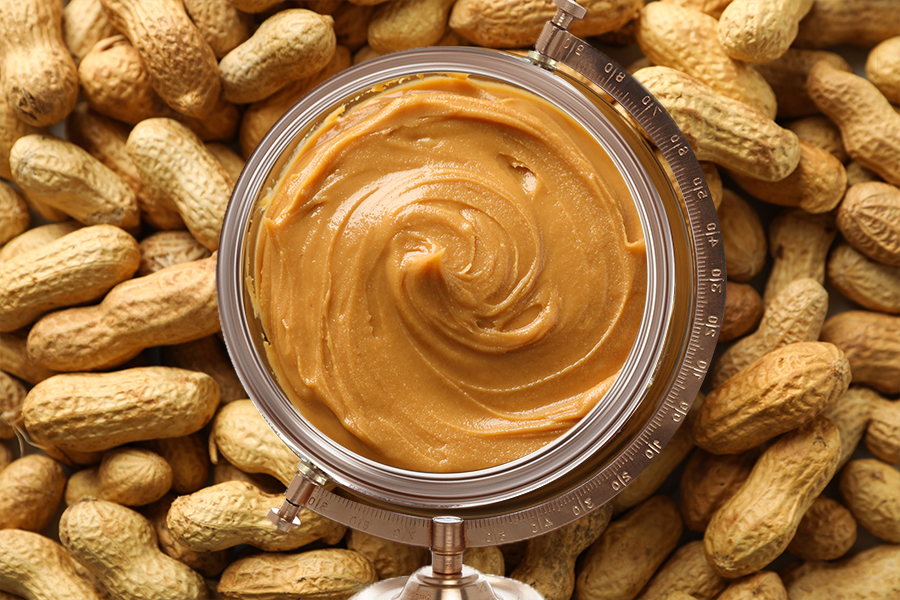
A typical 2-tablespoon (about 32 g) serving of peanut butter provides around 7–8 g of protein, although the exact amount varies by brand.
Peanut butter also contains fats and calories, so portion size matters. Checking the nutrition label can help you understand exactly what you’re getting from your preferred product.
Benefits of Peanut Butter
1. Provides Plant-Based Protein
Peanut butter is made from peanuts, making it a convenient source of plant-based protein. It can be especially useful as part of a balanced vegetarian diet when combined with other protein-rich foods.
2. Contains Healthy Fats
Peanut butter contains predominantly unsaturated fats. These fats can be part of a balanced diet when consumed in appropriate portions.
3. Convenient and Versatile
One of the biggest advantages of peanut butter is its versatility. You can spread it on toast, add it to oats or smoothies, mix it into yogurt, or pair it with fruit for a quick snack.
4. Useful for Active Lifestyles
Because peanut butter provides protein, fat, and calories, it can be a convenient addition to meals and snacks for people with active lifestyles or higher energy needs.
Is Peanut Butter Good for Muscle Gain?

Peanut butter can support a muscle-gain diet by adding protein and calories to meals. However, peanut butter alone should not be your main protein source.
For a higher-protein meal or snack, combine peanut butter with foods such as milk, Greek yogurt, oats, whole-grain bread, or a protein shake. This can help you create a more balanced protein-rich meal.
Is Peanut Butter Good for Weight Loss?
Peanut butter can fit into a weight-management diet, but it is relatively calorie-dense. Eating large amounts can increase your overall calorie intake.
If you’re trying to manage your weight, focus on portion size and the overall quality of your diet rather than completely avoiding peanut butter.
Natural vs Regular Peanut Butter
When buying peanut butter, compare the ingredient list and nutrition facts. Natural peanut butter may contain mainly peanuts, while some commercial varieties can contain added sugar, salt, or other ingredients.
Choosing a product that fits your nutritional preferences is more important than simply choosing one based on the word “natural.”